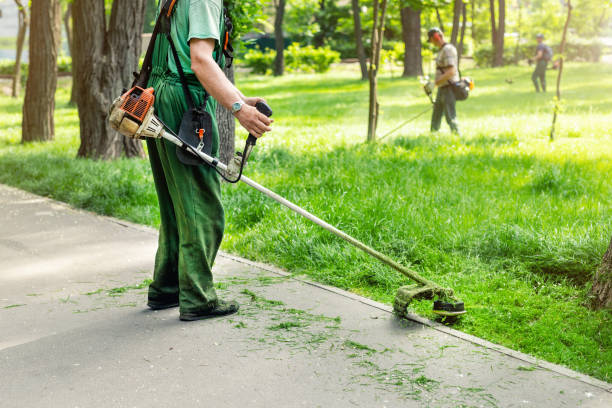
Expertise and Knowledge
Professional landscapers bring extensive knowledge of:
– Plant selection: Understanding which plants thrive in your specific region and soil conditions.
– Design principles: Creating cohesive layouts that balance hardscapes (e.g., patios, walkways) with softscapes (e.g., plants, grass).
– Soil health: Improving soil quality to ensure long-term plant health.
– Pest control: Identifying invasive species or pests and applying environmentally friendly solutions.
Their expertise means fewer mistakes, saving time and money while ensuring your vision comes to life effectively.
Time Savings
Landscaping projects can be time-consuming. From detailed planning to sourcing materials and executing the design, these tasks require significant effort. A professional landscaper handles all aspects of the process efficiently so you can focus on other priorities while enjoying peace of mind knowing your project is in capable hands.
Cost Efficiency
While hiring a professional landscaper may appear costly upfront, it often leads to savings in the long run due to:
– Proper plant selection to reduce replacements.
– Access to wholesale suppliers for materials like rocks, mulch, or sod at lower prices.
– Well-thought-out irrigation systems that conserve water and reduce utility bills over time.
Creative Design Solutions
A professional landscaper offers innovative solutions tailored to your unique space. They take into account factors such as sunlight exposure, drainage patterns, slope gradients, weather conditions, and personal preferences to craft designs that are both stunning and functional.
Examples of enhancements they might suggest include:
– Incorporating native plants for sustainability.
– Installing low-maintenance water features.
– Creating themed gardens like Zen or tropical landscapes.
Increased Property Value
| Improvement Type | Impact on Property Value (%) | Example Benefits |
| Professional Landscaping | 10–15% | Better first impressions during resale |
| Mature Trees & Shrubs | 5–10% | Increased energy efficiency & shade |
Investing in professional landscaping not only enhances daily enjoyment but also serves as an asset when it’s time to sell your home.
Long-Term Maintenance Support
Most reputable landscaping companies offer ongoing maintenance services after completing their projects:
– Seasonal clean-ups.
– Lawn mowing and fertilization schedules.
– Pruning of shrubs/trees.
This ensures that your outdoor space remains pristine year-round with minimal effort on your part.
By hiring a professional landscaper for your outdoor transformation project, you gain access to expert guidance, creative ideas tailored specifically toward maximizing functionality/aesthetic appeal — all while saving considerable amounts resources/errors likely inherent w/ DIY attempts
Important Questions to Ask Before Hiring Boston MA Landscapers
Hiring the right professional landscaper can make a significant difference in the quality, functionality, and aesthetics of your outdoor space. However, before committing to a landscaping service, it’s essential to ask the right questions to ensure that you are making an informed decision. Here are some important factors to consider when evaluating potential landscapers.
How to Evaluate the Qualifications and Experience of a Landscaping Company Boston
Understanding a landscaper’s background is crucial.
Ask about:
– Certifications: Are they certified by reputable industry organizations such as the National Association of Landscape Professionals (NALP)?
– Years in Business: How long have they been providing landscaping services? Longevity often indicates reliability and expertise.
– Relevant Projects: Have they completed projects similar to what you’re looking for (e.g., garden design, hardscaping, irrigation systems)?
Can They Provide References and a Portfolio for Hardscaping Boston?
A trustworthy landscaper should be able to share references from past clients as well as examples of their previous work.
Key steps include:
1. Requesting contact information for at least three clients they’ve worked with recently.
2. Reviewing their portfolio to evaluate their design style and attention to detail. 3. Checking online reviews or ratings on platforms like Google or Yelp for additional insights.
Exploring Landscaping Services Boston MA: What They Offer
Landscaping companies often provide a wide range of services, but not all may meet your specific needs. Be sure to ask if they specialize in areas like:
– Design and installation
– Lawn maintenance or irrigation systems
– Hardscaping (e.g., patios, walkways)
– Sustainable practices (e.g., native plants or rainwater harvesting)
| Service Type | Offered by Landscaper? | Additional Notes |
| Garden Design | Yes/No | Specialty plants or themes available |
| Lawn Care Maintenance | Yes/No | Frequency of visits |
| Irrigation Systems | Yes/No | Smart irrigation options available |
| Hardscaping | Yes/No | Includes materials sourcing |
Are They Insured and Licensed?
For liability reasons, it’s essential that any professional working on your property carries proper insurance and licensing.
Confirm details such as:
– General liability insurance coverage in case of property damage.
– Worker’s compensation for their employees in case of injury on-site.
– State licensing requirements compliance.
What Is the Project Timeline?
To avoid unnecessary delays, ask about realistic timelines for project completion:
1. How long will the design phase take?
2. When can construction or installation begin?
3. Do weather conditions or other factors pose potential delays?
You may also want clarification on whether multiple jobs are handled simultaneously, as this could impact deadlines.
What Will the Total Cost Be?
Before signing any contracts:
1. Request an itemized quote breaking down labor costs, material expenses, and any additional fees.
2. Inquire about payment schedules—does it require deposits upfront or milestone payments during progress?
3. Verify whether ongoing maintenance is included or priced separately.
Do They Follow Sustainable Practices?
If eco-friendliness is important to you, explore whether they incorporate environmentally friendly practices such as:
– Use of native plants requiring minimal water usage.
– Organic fertilizers instead of synthetic chemicals.
– Rainwater harvesting systems for efficient irrigation management.
By asking these essential questions upfront, you’ll be better equipped to select a professional landscaper who aligns with your vision and ensures your outdoor space thrives both aesthetically and functionally over time.
Essential Questions to Ask Before Hiring a Professional Landscaper
Hiring a professional landscaper is an important decision that can have a long-lasting impact on the beauty, functionality, and value of your property. To ensure you make the right choice, it’s critical to ask the right questions before signing a contract. Below are key considerations and essential questions to guide your decision-making process.
1. What Services Do You Offer?
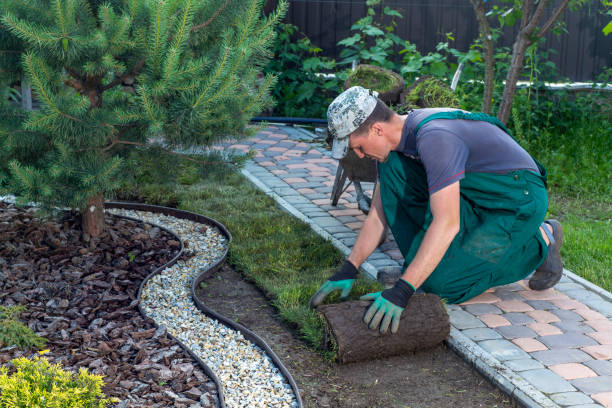
Not all landscaping companies provide the same range of services. Some specialize in design, while others focus on maintenance or installation projects. Clarifying this upfront will help you determine if they align with your project needs. Common services include:
– Landscape design and planning
– Lawn care and maintenance (mowing, fertilizing, aeration)
– Hardscaping (patios, walkways, retaining walls)
– Irrigation systems and water features
– Seasonal cleanup or snow removal
2. Are You Licensed and Insured?
Professional landscapers should have proper licensing and insurance to protect you in case of accidents or damages during the project.
Request proof of:
– Business licenses required in your area
– General liability insurance covering property damage
– Worker’s compensation insurance for their employees
3. Can You Provide References or Show Portfolio Examples?
Ask for examples of previous work that reflect projects similar to yours. Most professionals maintain an online portfolio or can share photos of past jobs upon request.
Additionally:
– Request references from previous clients to understand their experiences with the company
– Check online reviews on platforms like Yelp or Google for honest feedback
4. What Is Your Process for Designing My Landscape?
Understanding their approach ensures transparency and alignment with your goals. Consider asking:
– How do you incorporate my preferences into the plan?
– Will I receive a detailed design sketch before installation begins?
– Do you offer consultations to discuss ideas before starting work?
5. What Materials and Plants Will Be Used?
A professional should recommend high-quality materials and plants that thrive in your local climate while considering sustainability practices where possible.
Key follow-up questions include:
– Do you use native plants for better long-term results?
– Are eco-friendly options available for hardscaping materials?
| Material Type | Example Options | Benefits |
| Native Plants | Coneflowers, Lavender | Low maintenance; supports wildlife |
| Paving Materials | Permeable pavers | Reduces runoff; eco-friendly |
6. How Long Will My Project Take?
Understanding timelines helps set realistic expectations about project completion dates, especially during peak seasons when landscapers are busiest.
Questions to consider:
– When can my project start given current commitments?
– Are there potential delays I should be aware of?
7. What Is Your Pricing Structure?
Budget discussions are vital when choosing a landscaper to avoid unexpected costs later on. Key points include:
– Do you offer itemized quotes outlining labor, materials, etc.?
– Are there payment plans or financing options available?
By asking these essential questions upfront, you’ll be better prepared to select the right professional landscaper who meets both your budgetary needs and vision for your outdoor space effectively.
How to Transform Your Garden with Native Plant Solutions and Ideas
Transforming your garden into a thriving, sustainable, and visually appealing outdoor space can be achieved by incorporating native plants. Native plant solutions not only enhance the ecological balance of your garden but also make it easier to maintain. Here’s how you can effectively use native plants to elevate your garden’s beauty and functionality.
Benefits of Using Native Plants in Your Garden
- Native plants are well-adapted to the local soil, climate, and weather conditions.
- They require less watering, fertilizing, and overall care compared to non-native species.
- These plants provide essential food sources like nectar, seeds, and fruits for birds, butterflies, and bees.
- They create natural habitats for diverse local species.
- Native plant roots improve soil structure and prevent erosion.
- They promote the growth of beneficial microorganisms in the soil.
- Native varieties are naturally resistant to local pests and diseases, reducing the need for chemical pesticides.
- Many native plants are drought-tolerant and help conserve water resources through reduced irrigation demands.
Steps to Transform Your Garden with Native Plants
- Research Local Native Plant Species: Begin by identifying plants that are indigenous to your region. Resources such as local gardening centers or native plant societies can help you pinpoint suitable options.
- Assess Sunlight and Soil Conditions:
Match native plants with the conditions in your garden: - Full-sun areas might support wildflowers or ornamental grasses like switchgrass.
- Shaded areas could benefit from ferns or low-maintenance ground covers like woodland phlox.
- Incorporate Layers for Visual Appeal: Use a mix of trees, shrubs, perennials, grasses, and ground covers to create depth:
| Plant Type | Example Species | Ideal Placement |
| Trees | Oak or Dogwood | Corner areas or back |
| Shrubs | Serviceberry or Viburnum | Mid-level sections |
| Perennials | Coneflower or Aster | Front-facing borders |
| Grasses | Little Bluestem | Accent planting beds |
Design Functional Spaces: Group plants based on water needs (hydro zones) for efficient irrigation planning:- Drought-tolerant species (e.g., yarrow) together.
- Moisture-loving species (e.g., goldenrod) in rain gardens or lower-lying spots.
- Plan Seasonal Interest: Ensure year-round interest by choosing a mix that blooms at different times of the year.
Creative Ideas for Native Plant Landscaping
- Pollinator Gardens: Designate portions of your yard as pollinator-friendly zones by planting milkweed (for monarch butterflies) or bee balm (for bees). These gardens are not only functional but also add vibrant colors during blooming seasons.
- Rain Gardens: Build rain gardens using deep-rooted native plants like black-eyed susans or joe-pye weed to manage runoff while beautifying low-lying areas.
- Wildflower Meadows: Replace traditional turf grass lawns with wildflower meadows featuring native blooms like Indian paintbrush or coreopsis that attract pollinators while reducing mowing efforts.
- Edible Landscaping: Add multi-functional native edibles such as elderberries or pawpaw trees that provide food for humans as well as wildlife.
By integrating these solutions into your landscaping plan, you’ll achieve an outdoor space that is not only visually pleasing but also environmentally responsible—balancing beauty with sustainability effectively.
Discover the Advantages of Organic Gardening Practices for Beautiful Landscapes
Organic gardening is more than just a trend; it’s a sustainable approach to creating vibrant, healthy landscapes that prioritize environmental wellness and long-term ecosystem balance. By integrating organic practices into your landscaping efforts, you can enjoy lush greenery, thriving plants, and reduced environmental impact. Here’s why organic gardening is an excellent choice for enhancing your outdoor space.
Benefits of Organic Gardening in Landscaping
- Avoids synthetic chemicals that can harm soil, water, and local wildlife.
- Encourages biodiversity by supporting pollinators like bees and butterflies.
- Promotes healthier soil structure through natural amendments such as compost or manure.
- Organic fertilizers enrich the soil with essential nutrients over time, improving its quality naturally.
- Reduced chemical usage ensures healthier fruits, vegetables, and ornamental plants.
- Encourages beneficial microorganisms in the soil to thrive.
- Reduces the need for expensive chemical fertilizers and pesticides.
- Decreases dependency on external inputs by promoting self-sustaining ecosystems.
- Saves water by improving soil’s ability to retain moisture through natural mulching techniques.
- Eliminates exposure to harmful chemicals found in synthetic fertilizers or pesticides.
- Provides peace of mind when children or pets play in your garden.
How to Incorporate Organic Practices into Your Landscaping
- Use Organic Fertilizers: Opt for slow-release options like compost, bone meal, or seaweed extract that feed plants naturally.
- Composting: Turn kitchen waste (vegetable scraps) and yard clippings into nutrient-rich compost for your garden beds.
- Plant Companion Crops: Pair plants together that naturally repel pests or improve growth (e.g., marigolds with vegetables).
- Embrace Mulching: Use organic mulch materials like wood chips or straw to suppress weeds while retaining soil moisture effectively.
- Choose Native Plants: Native species tend to thrive without excessive care or resource use, making them perfect for eco-friendly landscaping projects.
Comparison Table: Organic vs Non-Organic Gardening Practices
| Feature | Organic Gardening | Non-Organic Gardening |
| Fertilizer Use | Natural (compost/manure) | Synthetic chemicals |
| Environmental Impact | Low | High |
| Soil Health | Improves over time | May degrade due to chemical use |
| Pest Control | Biologically-driven solutions | Reliance on chemical pesticides |
| Cost Over Time | Cost-effective | Expensive due to recurring input |
Long-Term Rewards of Organic Landscaping
Adopting organic gardening practices requires patience but yields significant rewards over time. Not only do you create a thriving ecosystem within your outdoor space but also contribute positively toward global sustainability efforts. With cleaner air quality, enhanced soil fertility, and aesthetically pleasing gardens teeming with life, organic landscaping offers unmatched benefits both environmentally and personally.
By following these principles consistently, you can enjoy stunning landscapes while minimizing harm to the planet—an investment worth making for generations to come.
Discover the Advantages of Organic Gardening Practices for Beautiful Landscapes
Adopting organic gardening practices can transform your outdoor space into a stunning, eco-friendly haven. These methods prioritize environmental health, reduce reliance on synthetic chemicals, and promote sustainable growth. Whether you’re an experienced gardener or just beginning, organic practices offer numerous benefits for creating beautiful and thriving landscapes.
Why Choose Organic Gardening?
- Healthier Plants: By using natural fertilizers like compost or manure, plants receive essential nutrients without harmful chemicals.
- Eco-Friendly Practices: Reduces water pollution caused by chemical runoff.
- Better for Biodiversity: Encourages the presence of beneficial insects, birds, and other wildlife.
- Safer Environment: Creates a safe space for children and pets to enjoy the outdoors.
Key Principles of Organic Gardening
- Soil Health
Healthy soil is the foundation of any successful garden. Focus on enriching the soil with: Compost - Leaf mulch Natural additives like bone meal or rock phosphate
- Companion Planting
Companion planting is a natural method to deter pests and promote healthy plant growth by grouping compatible plants together: - Marigolds repel nematodes when planted near vegetables.
- Basil enhances the flavor of tomatoes while repelling mosquitoes.
- Natural Pest Management
Instead of toxic pesticides, try these eco-friendly options: - Introduce beneficial insects like ladybugs and praying mantises.
- Use neem oil sprays or garlic-based solutions to deter harmful pests.
- Water Conservation Strategies
Watering efficiently reduces waste while keeping plants healthy: - Install drip irrigation systems.
- Mulch around plants to retain moisture in the soil.
Benefits for Your Landscape’s Aesthetic Appeal
- Vibrant Foliage and Blooms
Organically grown plants often display more vibrant colors due to their healthier root systems and nutrient-rich growing conditions. - Natural Diversity in Design
Incorporating native plants ensures that your garden thrives naturally while showcasing diverse textures and hues. - Year-Round Interest
Organic practices encourage year-long beauty by supporting perennials, shrubs, trees, and flowers that thrive in natural cycles.
| Organic Additives | Benefits |
| Compost | Improves soil structure & fertility |
| Seaweed Fertilizer | Boosts plant immunity |
| Bone Meal | Promotes root development |
Long-Term Sustainability
The use of organic gardening practices fosters long-term sustainability for your landscape by building resilience against climate changes and extreme weather conditions. Healthy soils rich in organic matter retain moisture during droughts while promoting carbon sequestration—a crucial process in reducing greenhouse gases.
By embracing these methods today, you take an active step toward creating not only a beautiful garden but also a sustainable future for generations to come.
- How to Pick the Right Landscaping Company Boston for Transforming Your Outdoor Space
- Top Landscaping Services Boston MA Homeowners Should Know About
- Creative Garden Lighting Ideas from a Top Landscaping Company Boston
- The Benefits of Hiring a Professional for Landscaping Boston MA
- Expert Tips from Boston MA Landscapers for Year-Round Outdoor Ambiance
- The Ultimate Guide to Hiring a Landscaping Company Boston: Planning, Building, and Creating Your Dream Outdoor Space