Top Landscaping Services Boston MA Homeowners Should Know About

Professional Landscaping Team Working In Garden. Man and woman are walking in garden and carrying gardening equipment. landscaping service stock pictures, royalty-free photos & images

Professional landscaping companies provide a wide variety of services designed to enhance the beauty, functionality, and value of both residential and commercial outdoor spaces. These services range from routine maintenance to large-scale design and installation projects. Below is an in-depth look at the most common landscaping services offered by professionals.

Lawn Care and Maintenance

  • Mowing: Regular trimming to maintain proper grass height.
  • Edging: Creating clean edges along pathways, driveways, and garden beds for a polished look.
  • Fertilization: Applying nutrients to promote healthy grass growth.
  • Weed Control: Preventing or eliminating invasive weeds that detract from lawn health.
  • Aeration: Loosening compacted soil to improve water, nutrient, and air penetration.

Landscape Design and Installation

  1. Plant Selection: Choosing plants that thrive in the local climate while meeting aesthetic goals.
  2. Hardscaping Features: Installing non-living elements like patios, pathways, retaining walls, fire pits, or pergolas.
  3. Water Features: Incorporating fountains, ponds, or waterfalls to add elegance and tranquility.
  4. Lighting Installation: Adding landscape lighting for safety and ambiance during evening hours.

These design projects often involve close collaboration between the landscaper and property owner to ensure all goals are met within budget.

Seasonal Cleanup

  • Raking leaves
  • Clearing debris from flower beds
  • Pruning shrubs or trees
  • Removing dead plants

By addressing seasonal needs proactively, landscapers prepare properties for growth cycles or colder weather.

Irrigation System Installation and Maintenance

  • Installing customized irrigation systems tailored to a property’s layout.
  • Repairing damaged sprinklers or pipes.
  • Adjusting irrigation schedules based on seasonal requirements.

Properly maintained irrigation systems are cost-effective while ensuring optimal hydration for plants.

Tree and Shrub Care

  • Trimming branches to remove deadwood or shape growth patterns.
  • Diagnosing diseases or pest infestations.
  • Removing hazardous trees that pose safety risks.

Healthy trees not only enhance curb appeal but also contribute shade cover essential for energy savings during hot months.

Sod Installation

For customers who want instant results when transforming their yard’s appearance, sod installation is a popular option over seeding methods alone. Professionals handle tasks such as soil preparation before laying sod rolls efficiently across designated areas.

Service Primary Benefit Typical Frequency
Lawn Mowing Maintains clean appearance Weekly/Bi-weekly
Fertilization Promotes dense green growth 3–5 times per year
Aeration Improves soil health & root development 1–2 times per year
Tree Pruning Enhances safety & aesthetics Annually/as needed

By relying on professional expertise for these services instead of DIY solutions alone allows homeowners & businesses alike access superior results while saving them time/effort long term across upkeep routines etc…

Fair Pricing Guide for Core Plug Aeration and Overseeding by Boston MA Landscapers

Core plug aeration and overseeding are essential services for maintaining a healthy, lush lawn. They help alleviate soil compaction, improve water and nutrient absorption, and promote thick grass growth. For landscaping companies and homeowners alike, understanding the fair pricing structure for these services is critical to ensuring transparency and value. Here’s a detailed guide on how to approach pricing for core plug aeration and overseeding.

Key Factors Influencing Pricing

  1. Larger lawns require more time, labor, and materials.
  2. Most professionals price these services by square footage.
  3. Lawns with heavy thatch, compacted soil, or significant bare patches may require additional preparation or specialized equipment.
  4. Severely damaged lawns might also necessitate higher seed quantities or multiple passes during aeration.
  5. The type of grass seed being used directly impacts pricing. For instance:
    | Grass Type | Approximate Cost per Pound |
    |———————|—————————|
    | Kentucky Bluegrass | $8-10 |
    | Tall Fescue | $4-6 |
    | Bermuda Grass | $5-8 |
  6. Premium or specialty blends can increase the overall cost.
  7. Pricing varies by region due to differences in labor costs, seed availability, weather conditions, and demand for lawn care services.
  8. Professional-grade aerators (e.g., riding or walk-behind models) come with operational expenses such as maintenance, fuel costs, and wear-and-tear considerations.
  9. Additional Services (if bundled)
  10. Some landscaping companies offer package deals that include fertilization or weed control along with aeration and overseeding.

Average Price Ranges

Lawn Size (Sq Ft) Core Aeration Only ($) Core Aeration & Overseeding ($)
0–5,000 $80–$150 $150–$250
5,000–10,000 $150–$250 $250–$400
10,000+ Custom Pricing Custom Pricing

Tips for Transparent Pricing as a Landscaping Business

  1. Provide detailed quotes that itemize labor costs, material expenses (like seed), equipment fees (if applicable), and any discounts or promotions.
  2. Offer flexible service packages so customers can choose based on their needs.
  3. Use customer education as part of your sales approach—explain why core plug aeration combined with overseeding delivers long-term benefits.
  4. Ensure your pricing reflects market trends but remains competitive in comparison to other providers in your area.

Benefits of Investing in These Services

  • Enhanced root growth leads to stronger grass capable of withstanding droughts or heavy foot traffic.
  • Overseeding fills bare patches quickly while improving turf density.
  • Regularly scheduled maintenance like this reduces future repair costs by preventing larger problems from developing over time.

Fair pricing ensures long-term relationships between landscaping companies and their clients while allowing both parties to achieve their goals effectively—healthy lawns backed by equitable business practices create satisfaction on all sides.

Fair Pricing Guide for Core Plug Aeration and Overseeding in Landscaping Boston MA

When it comes to maintaining a lush, healthy lawn, core plug aeration and overseeding are two essential services offered by landscaping professionals. These processes work hand-in-hand to improve grass health, root growth, and soil quality. For both homeowners and landscaping companies, understanding fair pricing for these services is crucial to ensure transparency and value.

Factors That Influence Pricing

  1. Small lawns (up to 5,000 sq. ft.) generally cost less than larger properties.
  2. Larger lawns typically require more time, effort, and materials (e.g., seed), increasing the overall price.
  3. Premium grass seeds (drought-resistant or high-end blends) are more expensive.
  4. Standard grass seeds may lower costs but could impact long-term results.
  5. Compacted or clay-heavy soil may require multiple passes with an aerator or additional preparation work.
  6. Looser soil often reduces labor time.
  7. Landscaping service costs vary by geographic location due to differences in labor rates and material availability.
  8. Sophisticated aerators or combination machines (like those with built-in seed boxes) might add efficiency but influence pricing.
  9. Manual methods may reduce equipment costs but increase labor demand.

Sample Price Ranges

Lawn Size Core Aeration Only Aeration + Overseeding
Small (0-5,000 sq. ft.) $50-$150 $100-$250
Medium (5,000-10,000 sq. ft.) $150-$300 $250-$450
Large (10,000+ sq. ft.) $300+ $450+

Note: Prices above may vary depending on location and specific requirements.

Benefits Justifying the Cost

Gardener working in landscaped yard, spaying plants with protective detergent. Full length gardener sprays plants with detergent in beautiful landscaped garden. landscaping service stock pictures, royalty-free photos & images

  • Healthier Lawns: Aerating improves water absorption and nutrient penetration into the soil while reducing thatch buildup.
  • Enhanced Seed Germination: Overseeding fills in bare patches with new grass growth for a thicker lawn.
  • Increased Property Value: A well-kept lawn enhances curb appeal, which can positively influence home resale value.

Tips for Setting Fair Rates as a Landscaping Business

  1. Conduct a market analysis of local competitors’ rates for similar services.
  2. Clearly itemize material costs (grass seed type/brand) when quoting customers.
  3. Offer package deals during peak seasons to encourage repeat clients.
  4. Use efficient machinery like riding aerators with seed boxes to optimize time without sacrificing quality results.
  5. Educate customers about why your services provide value beyond DIY options.

Fair pricing isn’t just about balancing affordability; it’s also about communicating value through clear explanations of how your expertise contributes to lawn health over time.

Core plug aeration combined with overseeding represents an investment in superior turf development—one that ensures customers enjoy vibrant landscapes while landscaping companies build trust through transparent practices.

How to Gain a Competitive Edge in Landscaping: Choosing Between String Trimmer Edging or Stick Edger

Choosing between string trimmer edging and stick edgers is a critical decision for landscaping professionals who aim to gain a competitive edge. Both tools have their merits, but the choice depends on specific needs, client demands, and operational efficiency. Below is an overview of each tool’s benefits, their drawbacks, and key considerations to help you make an informed decision.

Understanding String Trimmer Edging

A string trimmer, also known as a weed eater or weed whacker, can double as an edging tool in many cases. With its versatility and multi-functional capabilities, it’s a go-to option for many landscaping businesses starting out or operating on tight budgets.

Advantages:
Cost-Effective: String trimmers are generally more affordable than stick edgers, making them a budget-friendly choice for smaller landscaping companies or startups.
Multi-Purpose: Besides edging, string trimmers are useful for trimming grass in hard-to-reach areas like around trees, fences, and flower beds.
Lightweight and Easy to Maneuver: Most string trimmers are portable and can be used on various terrains with minimal effort.

Disadvantages:
Reduced Precision: Achieving perfectly clean edges with a string trimmer can be challenging compared to using a stick edger.
Time-Consuming for Larger Jobs: For larger properties requiring extensive edging work, the process may take longer with a string trimmer.

Exploring Stick Edgers

Stick edgers are specialized tools designed exclusively for creating clean and professional edges along sidewalks, driveways, and garden beds. These are often favored by premium landscaping services aiming for pristine results that stand out to high-end clients.

Advantages:
High Precision: Stick edgers are specifically designed to create sharp lines that give properties a professionally manicured appearance.

Time Efficiency on Large Properties: They allow landscapers to edge faster over large areas when compared to general-purpose tools like string trimmers.

Durability of Results: Stick edgers often produce more durable edge lines that require less frequent touch-ups.

Disadvantages:

Higher Cost Upfront: Stick edgers tend to be more expensive than multi-purpose tools such as string trimmers.

Limited Versatility: Unlike string trimmers, stick edgers have limited applications beyond edging tasks.

Key Considerations When Choosing Between the Two

Factor String Trimmer Stick Edger
Cost Low-cost initial investment Higher upfront cost
Property Size Best for small-to-medium yards Ideal for larger properties
Precision Needs Moderate precision High precision
Client Expectations Suitable for basic lawn care Required by premium clients
Versatility Highly versatile Limited versatility

Gaining the Competitive Edge

  1. Evaluate your client base – Are they primarily residential homeowners seeking affordable services or commercial property managers expecting flawless work? This should guide your choice of equipment.
  2. Consider investing in both tools – While sticking exclusively to one may seem cost-effective initially, having both allows you flexibility in meeting varying project demands.
  3. Train your team – Ensure that all employees understand when and how each tool should be used effectively.

Whether you choose a string trimmer edging method or opt for the precision of stick edgers depends on aligning your operational goals with customer requirements while keeping efficiency at the forefront of decision-making processes.

Top Features of a Starter Residential Mowing Rig Under $16k for a Landscaping Company Boston

Starting a landscaping business can be a capital-intensive endeavor, but selecting the right equipment is vital to ensuring success and efficiency. For under $16,000, it is possible to assemble a well-rounded residential mowing rig that balances cost-effectiveness with professional-grade performance. Below are the essential features and components you should prioritize when putting together your starter mowing rig.

Core Components of an Effective Starter Mowing Rig

  1. A zero-turn mower designed for small to medium residential lawns is a must-have.
  2. Look for models with cutting widths between 42-52 inches, as they offer versatility for smaller yards while maintaining productivity.
  3. Key features to consider:
    • Durable steel deck for extended use.
    • Adjustable cutting height (multiple settings).
    • Hydrostatic transmission for smooth operation.
  4. Approximate Cost: $6,000–$8,000
  5. Essential for precise trimming along edges, walkways, and fences.
  6. Opt for lightweight models with ergonomic handles to reduce operator fatigue.
  7. Consider battery-powered options if noise regulations are a concern in your service area.
  8. Approximate Cost: $200–$500
  9. A high-quality backpack blower helps efficiently clear leaves, grass clippings, and debris from lawns and driveways after mowing.
  10. Gas-powered units are common due to their power output, but cordless electric models may be ideal for eco-conscious setups.
  11. Look for adjustable speed controls and long run times.
  12. Approximate Cost: $300–$600
  13. A trailer is necessary to transport your mower and other equipment between job sites.
  14. Opt for a 5×10 or 6×12 utility trailer equipped with loading ramps and tie-down points.
  15. Consider trailers with reinforced frames that can handle both weight and frequent use.
  16. Approximate Cost: $2,000–$3,500
  17. Hand Tools
    Keep basic hand tools on hand to address last-minute details:

    • Rakes
    • Shovels
    • Hedge shears These tools ensure flexibility in handling customer-specific requests during jobs.

Sample Budget Breakdown

Equipment Estimated Cost Range
Zero-Turn Mower $6,000 – $8,000
String Trimmer/Edger $200 – $500
Backpack Blower $300 – $600
Utility Trailer $2,000 – $3,500
Miscellaneous Hand Tools $200 – $400
Total Estimated Cost $9,000 – $13,000

Additional Features to Consider

  • Warranty & Service Support: Choose brands that offer comprehensive warranties and local service centers.
  • Safety Gear: Include items like ear protection, safety glasses, gloves, and steel-toed boots in your setup costs.
  • Scalability: Select equipment that can grow with your business by adding attachments or upgrading later.

By carefully balancing quality with affordability across these components, new landscaping businesses can establish their initial rig under budget while delivering professional results on every job site.

How Hardscaping Boston Companies Stand Out from the Competition

In the competitive landscaping industry, standing out involves more than just mowing lawns and trimming hedges. Successful landscaping companies differentiate themselves by offering unique, high-quality services that cater to a variety of customer needs. Below is an overview of standout services that set top-tier landscapers apart from their competitors.

1. Personalized Landscape Design Services

Offering custom landscape design solutions is a hallmark of premier landscaping companies. This service allows property owners to create spaces tailored to their specific aesthetic preferences and functional requirements.

Key aspects include:
Consultation sessions: Gain a deep understanding of the client’s vision, lifestyle, and goals.
3D renderings and blueprints: Provide clients with a virtual preview of their future landscaped space.
Plant selection expertise: Recommend plants that thrive in the local climate and suit the client’s desired maintenance level.

2. Sustainable Landscaping Options

Environmentally conscious practices resonate with modern customers who prioritize sustainability. Landscaping companies can differentiate themselves by incorporating eco-friendly services into their offerings.

Examples of sustainable practices:
– Installing rainwater harvesting systems for irrigation needs.
– Using native plants, which require minimal watering and care once established.
– Offering organic lawn care solutions that avoid harmful chemicals.

3. Seasonal Property Enhancements

Proactive seasonal maintenance ensures properties remain visually appealing year-round while minimizing damage caused by weather changes.

Examples include:
– Spring cleanup with mulching, planting annual flowers, and lawn dethatching.

– Summer irrigation system checks to conserve water during hotter months.

– Fall leaf removal alongside planting hardy shrubs or bulbs for spring blooms.

– Winterizing outdoor spaces by protecting plants, trees, and water features from frost damage.

4. Specialized Hardscaping Services

Hardscaping transforms outdoor areas into functional living spaces while adding significant value to properties. Landscaping companies offering these specialized services appeal to clients looking for long-lasting features.

Hardscaping projects might involve:
| Service | Description | Example Features |
|——————————-|—————————————————–|—————————|
| Patio installation | Designing durable outdoor seating areas | Brick or paver patios |
| Retaining walls | Creating structures for functional elevation changes| Stone or concrete walls |
| Outdoor living enhancements | Customizing entertaining areas | Fire pits & outdoor kitchens|

5. Advanced Lawn Care Techniques

Standard lawn mowing is a staple service, but offering advanced treatments sets businesses apart as experts in turf health.

Some advanced techniques include:

– Core aeration paired with overseeding for stronger grass growth.

– Soil testing to determine nutrient deficiencies before fertilization.

– Pest control solutions targeting issues like grubs or chinch bugs without harming beneficial insects.

6. Comprehensive Maintenance Plans

Rather than one-off services, some landscaping companies stand out by providing long-term maintenance plans tailored to individual customer needs.

Elements of maintenance plans could include:

1. Weekly lawn mowing, edging, and trimming.

2. Monthly fertilizer application based on soil analysis results.

3. Biannual tree pruning services designed for optimal health and growth management. 4. Scheduled irrigation system inspections to prevent waste or leaks.

By offering a range of unique services emphasizing quality, expertise, and attention to customer preferences, landscaping businesses can establish themselves as leaders in their field while continuously attracting new clientele through word-of-mouth recommendations and positive reviews online.

Services That Differentiate Landscaping Companies and Set Them Apart from the Competition

In the highly competitive landscaping industry, standing out requires more than just providing basic lawn care services. Successful landscaping companies differentiate themselves by offering specialized services, prioritizing customer experience, and staying ahead of industry trends. Below, we explore key services and strategies that set professional landscaping businesses apart from their competitors.

Specialized Landscaping Services

  • Landscape Design and Consultation: Providing clients with professional design plans that incorporate elements such as plants, patios, pathways, and water features.
  • Seasonal Cleanups: Offering fall leaf removal or spring yard preparation to keep properties in pristine condition year-round.
  • Irrigation System Installation and Maintenance: Ensuring proper watering schedules through expertly installed sprinkler systems or drip irrigation.
  • Hardscaping: Customizing outdoor spaces with features like stone patios, retaining walls, fire pits, or decorative walkways.
  • Xeriscaping for water conservation
  • Use of native plants to support local ecosystems
  • Organic pest control options
  • Tree Services: Including pruning, trimming, or complete tree removal to maintain safety and property aesthetics.

By offering a diverse range of specialized options, landscaping companies position themselves as one-stop shops for all outdoor care needs.

Exceptional Customer Service

  1. Conducting site visits to assess property-specific needs
  2. Customizing solutions based on client preferences
  3. Offering clear quotes without hidden fees
  4. Checking in after service completion for quality assurance
  5. Providing timely responses via phone calls or emails

When customers feel valued throughout the process—whether during initial inquiries or after project completion—they are more likely to recommend your business.

Leveraging Technology in Landscaping

Technology/Tool Purpose Benefits
Drones Aerial surveys of properties Quicker planning & mapping
Mobile Apps Client scheduling & billing Enhanced convenience
Automated Equipment Robotic mowers or GPS-guided tractors Improved efficiency
Landscape Design Software Visualizing concepts through 3D modeling Better client understanding

Embracing technological advancements demonstrates a company’s commitment to innovation while streamlining operations.

Emphasis on Sustainability

  • Reducing chemical usage (e.g., organic fertilizers)
  • Implementing rainwater harvesting systems
  • Recycling waste materials like grass clippings or leaves into mulch
  • Utilizing energy-efficient tools with lower emissions

Promoting these environmentally friendly initiatives not only attracts eco-aware customers but also contributes positively to the planet.

By offering specialized services tailored to customer demands while embracing sustainability and modern technology, landscaping companies can carve out their own niche in the market—ensuring long-term success amidst ever-growing competition.


Creative Garden Lighting Ideas from a Top Landscaping Company Boston

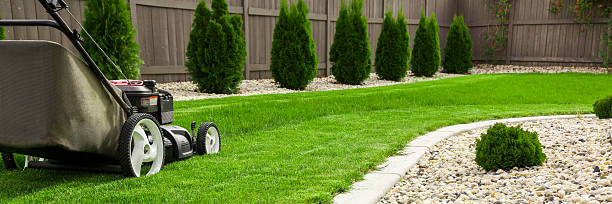
Lawn mower Photograph of lawn mower on the green grass. Mower is located on the left side of photograph with low angle view on grass field. landscaping service stock pictures, royalty-free photos & images

A thoughtfully designed garden lighting scheme can transform your outdoor space into a magical retreat, perfect for relaxing evenings or entertaining guests. Whether you’re starting from scratch or enhancing an existing garden, here are 30 creative ideas to help you make your outdoor space shine.

1. Highlight Key Features with Spotlighting

  • Use spotlights to draw attention to statues, trees, or architectural elements.
  • Position the lights at ground level and angle them upwards for a dramatic effect.

2. Layered Lighting for Depth

  • Combine multiple layers of lighting such as ambient, task, and accent lighting.
  • This approach creates depth and dimension in your garden.

3. String Lights for a Cozy Atmosphere

  • Drape string lights across patios or pergolas to add warmth.
  • Wrap string lights around tree trunks or branches for an enchanting touch.

4. Pathway Lighting for Safety and Aesthetics

Types of pathway lighting:
| Type | Features | |——————–|——————————————-| | Solar-powered | Eco-friendly and easy to install | | Low voltage | Safe with minimal energy consumption | | Lantern-style | Adds rustic charm |

Install these lights along walkways to safely guide visitors through your garden after dark.

5. Upgraded Deck Lighting

Enhance the usability of outdoor decks by installing:
– Recessed lights in deck floors or stairs.

– LED strip lights under railings for subtle illumination.

Accent Walls with Wash Lighting

Create a modern look by using wash lights on an exterior wall or fence. This technique evenly illuminates a surface and can act as the backdrop for the rest of your landscape design.

Floating Lights in Water Features

For ponds, pools, or fountains:

– Consider floating solar-powered orb lights.

– Use underwater LED fixtures to illuminate water movement beautifully.

Solar-Powered Solutions

Solar-powered lighting is both practical and environmentally friendly:
Advantages include:
1. Reduced electricity costs.

2. Minimal maintenance requirements.

3. Easy installation without wiring.

Position solar stake lights in sunny areas to ensure optimal charging during the day.

Incorporate Lanterns

Lanterns bring timeless charm and versatility.

Use them:
– As centerpieces on outdoor dining tables.

– Hung from shepherd hooks placed strategically throughout flower beds.

Color-Changing LEDs

Try installing color-changing LED bulbs that allow you to adjust the mood based on occasions—perfect for holiday gatherings or special events.

By combining these creative ideas with thoughtful placement techniques, you can create a stunningly illuminated garden that not only highlights its beauty but also fosters functionality after sunset.

Enhance Your Outdoor Space with Boston MA Landscapers and Stunning Lighting Designs

Front gardens are the first impression of your home, and strategically designed lighting can elevate their appeal dramatically. A well-lit front garden not only enhances curb appeal but also provides safety and functionality. By integrating creative lighting ideas, you can transform your outdoor space into a welcoming oasis.

Benefits of Front Garden Lighting

  • Enhanced Aesthetic Appeal: Lighting highlights the natural beauty of plants, trees, and architectural features.
  • Improved Safety: Properly illuminated pathways reduce the risk of trips and falls at night.
  • Increased Security: A well-lit exterior deters intruders by eliminating dark hiding spots.
  • Extended Usability: With adequate lighting, you can enjoy your front yard in the evening hours.

Types of Lighting for Front Gardens

  1. These lights guide visitors along walkways while adding charm to your garden.
  2. Use fixtures like stake lights or recessed ground lights for a clean look.
  3. Highlight specific focal points such as ornamental trees, shrubs, or sculptures with spotlights or up lights.
  4. Adjustable fixtures allow flexibility to direct light where needed.
  5. Perfect for illuminating entryways or showcasing textured walls.
  6. Choose sleek designs that blend harmoniously with your home’s exterior architecture.
  7. Timeless options for inviting aesthetics near gates or driveways.
  8. Add fixtures with warm-toned bulbs for a cozy ambiance.
  9. Embedded in steps or adjacent walls to enhance safety while creating an elegant visual effect.

Creative Ideas for Front Garden Lighting

Layered Lighting Design

Combine multiple types of light sources to create depth and dimension in your garden. For example:

– Use warm path lights along walkways paired with cool accent lights on plants.

– Add wall-mounted sconces near entry points for balance.

Spotlighting Statement Plants

Emphasize tall shrubs, ornamental grasses, or flowering trees using focused beams from ground-based spotlights. This creates dramatic shadows while drawing attention to the natural elements in your garden.

String Light Accents

String lights aren’t just for backyards; use them creatively in front gardens:

– Wrap them around small trees or bushes for a whimsical touch.

– Hang them across pergolas or arches above pathways leading up to your door.

Backlighting Features

Install low-profile LED strips behind hedges or along fences to create an enchanting glow that outlines shapes without overwhelming the scene.

Table: Choosing the Right Bulbs for Outdoor Spaces

Bulb Type Features Ideal Application
LED Energy-efficient, durable Pathways & Accent Lights
Halogen Bright & natural-looking Spotlights
Solar-powered Eco-friendly, cost-saving Remote areas
Smart Bulbs Color-changing options Decorative accents

Tips for Effective Implementation

To ensure success when integrating lighting into your front garden design:

– Use warm white tones (2700K–3000K) for a welcoming ambiance.

– Avoid over-lighting by spacing fixtures appropriately—too much brightness can detract from the overall effect.

– Opt for weather-resistant materials like stainless steel or powder-coated aluminum to withstand outdoor conditions.

String Lights for Trees: Adding Warmth and Elegance to Your Landscape

String lights are a versatile and charming way to enhance the beauty of your outdoor space. By wrapping or draping them around trees, you can create a warm, inviting atmosphere that suits all kinds of gatherings, from relaxing family nights to festive celebrations. Here’s how you can use string lights effectively in your landscape design.

Benefits of Using String Lights for Trees

String lights offer more than just aesthetic appeal. They are functional, energy-efficient, and adaptable to various design styles. Key benefits include:
Creating Ambiance: Soft lighting can transform the mood of your outdoor space by adding warmth and elegance.
Highlighting Natural Features: String lights draw attention to the natural beauty of trees and surrounding greenery during nighttime hours.
Energy Efficiency: With LED string light options, you can achieve excellent illumination while reducing energy consumption.
Seasonal Adaptability: Whether it’s summer evenings or winter holidays, string lights can blend seamlessly into seasonal themes.

Types of String Lights to Consider

Type Features Ideal Uses
Warm White LEDs Subtle glow with low energy consumption Cozy evening aesthetics
Globe String Lights Larger bulbs for a vintage-inspired look Formal gatherings or weddings
Twinkle/Firefly LED Small bright points resembling fireflies Romantic or whimsical settings
Solar-Powered Lights Eco-friendly with no need for wiring Sustainable outdoor lighting

Creative Ways to Use String Lights on Trees

  1. Wrap Around Tree Trunks: Tightly wrap the string lights around tree trunks to emphasize their structure and add a bold decorative feature at night.
  2. Drape Over Branches: For a softer look, drape the lights over branches in loose loops, creating an organic flow that complements natural shapes.
  3. Create Canopies: Attach strings between multiple trees or poles above seating areas for a magical canopy effect.
  4. Highlight Pathways: Use string-lit trees along walkways to guide visitors while maintaining an elegant glow.
  5. Use Hanging Lanterns: Combine hanging lanterns with string lights wrapped around branches for added depth and style.

Installation Tips for Long-Lasting Results

Proper installation ensures durability and safety when using string lights outdoors:

– Always use weatherproof or waterproof string light options designed for outdoor use.

– Secure the strings with zip ties or specialized clips rather than nails or staples that may damage tree bark.

– Invest in timers or smart plugs so that your lighting system operates efficiently without manual effort.

– Place solar-powered versions in areas where they receive adequate sunlight during the day.

By carefully selecting the right type of string light and strategically placing them around your landscape’s trees, you can create a captivating outdoor environment that enhances both functionality and aesthetics at night. This simple yet impactful addition elevates your landscape design effortlessly while offering flexibility across seasons and occasions.

Enhancing Backyard Ambiance with Poolside Lighting Features

Thoughtful poolside lighting can transform any backyard into a serene and inviting oasis. Whether you’re hosting evening gatherings, enjoying a quiet swim, or simply relaxing by the water, the right lighting enhances both functionality and aesthetic appeal. Below is an in-depth look at how to incorporate poolside lighting features into your landscape design.

Benefits of Poolside Lighting

  • Safety and Visibility: Proper lighting reduces the risk of accidents by clearly marking pool edges, steps, and surrounding areas.
  • Ambiance: Layered lighting creates a calming and welcoming atmosphere for evenings spent outdoors.
  • Aesthetic Appeal: Highlighting architectural features or landscaping elements around your pool adds depth and texture to your outdoor space.
  • Extended Usability: Illuminating the area allows you to use your pool long after sunset.

Popular Poolside Lighting Options

  1. Installed inside the pool walls or floor.
  2. Available in different colors (static or color-changing).
  3. Energy-efficient with a long lifespan.
  4. Ideal for guiding guests along walkways near the pool.
  5. Low-profile designs minimize visual clutter while maximizing safety.
  6. Positioned beneath water features like fountains or waterfalls.
  7. Create dramatic visual effects with shimmering light patterns.
  8. Hung above seating areas or trees near the pool for a soft, diffused glow.
  9. Add warmth and charm with minimal installation effort.
  10. Embedded directly into surrounding decking for subtle illumination.
  11. Durable against wear from foot traffic and exposure to water.
  12. Placed on walls or posts around the perimeter of the space.
  13. Provide elegant up lighting that complements contemporary designs.

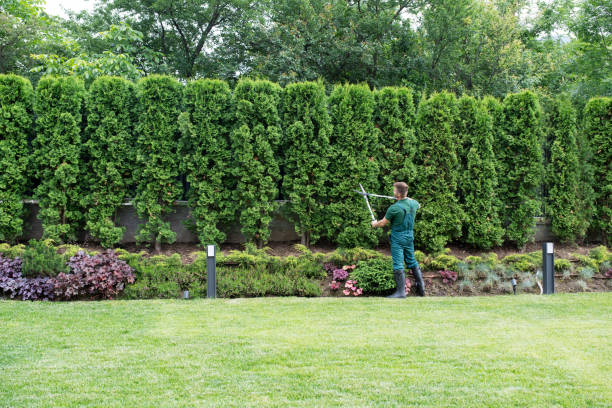
Gardener Mows The Lawn With An Mower. Full length gardener mows the lawn with a mower in beautiful garden. landscaping service stock pictures, royalty-free photos & images

Tips for Designing Your Poolside Lighting

  • Use dimmer switches to adjust brightness levels based on mood or occasion.
  • Opt for warm white lights (2700K–3000K) to create an inviting feel rather than harsh brightness.
  • Position lights strategically to avoid glare on water surfaces, which can cause discomfort for guests.
  • Combine multiple types of fixtures for layered lighting that enhances both safety and aesthetic value.

Sample Layout: Poolside Lighting Plan

Area Recommended Fixture Purpose
In-Pool Areas LED Underwater Lights Illuminate water; enhance visibility
Pathways Low-Level Pathway Lights Mark safe walking routes
Dining/Seating Zones Overhead String Lights Add ambiance
Landscape Borders Recessed Spotlights Highlight plants & architectural details
Water Features Submersible Spotlights Create dynamic focal points

Sustainable Lighting Solutions

For eco-conscious homeowners, solar-powered lights are an excellent choice. Solar fixtures harness renewable energy while reducing electricity costs over time. Additionally, integrating timers or motion sensors ensures optimal efficiency by limiting energy usage when not needed.

By investing in effective poolside lighting solutions tailored to your space, you’ll not only improve safety but also elevate the overall charm of your backyard environment—making it a place where relaxation meets style every evening.

Curved Garden Path Lighting: Guiding the Way with Style and Functionality

Curved garden paths add a sense of elegance and charm to any outdoor space. When paired with thoughtfully designed lighting, they not only enhance the visual appeal but also improve safety and usability during evening hours. Here’s how to incorporate curved garden path lighting effectively to achieve both style and functionality.

Benefits of Curved Path Lighting

  1. Enhanced Safety: Well-lit pathways reduce the risk of tripping hazards, especially in areas with uneven terrain or steps.
  2. Aesthetic Appeal: Lighting highlights the curvature of your garden pathway, adding depth and dimension to your landscape design.
  3. Functionality: Path lighting ensures guests can navigate your outdoor space easily after dark.
  4. Mood Setting: The right choice of lighting can create a warm, inviting atmosphere that complements your overall design.

Types of Lighting for Curved Pathways

  • Low-Voltage Lights
    These lights are energy-efficient and provide soft illumination along walkways. They are ideal for creating a subtle glow without overpowering other elements in your outdoor space.
  • Bollard Lights
    These vertical fixtures work well for defining edges along curves, offering both style and functional illumination.
  • Recessed Ground Lights
    Embedded into the pathway, these lights offer a sleek, modern look while illuminating the path without any visible fixtures obstructing the view.
  • Solar-Powered Lights
    An eco-friendly option that eliminates the need for wiring while providing soft ambient light along your pathway.

Design Tips for Curved Path Lighting

  1. Even Spacing: Maintain consistent spacing between lights to ensure uniform illumination without creating overly bright or dim spots.
  2. Highlight Features Along Your Path: Use lighting to draw attention to features like plants, sculptures, or seating areas situated near your curved path.
  3. Layered Lighting Approach: Combine different types of fixtures (e.g., bollard lights with recessed ground lights) for added depth and versatility.
  4. Warm Light Temperature: Opt for warm white tones (2700K–3000K) as they create a cozy ambiance suitable for residential gardens.

Suggested Layout Example

Fixture Type Placement Purpose
Bollard Lights Outer edge of curves Define edges & guide movement
Recessed Ground Lights Alongside plants on path bends Highlight landscaping
Solar Stake Lights Interspersed between hardscape features Eco-friendly accent

Maintenance Tips

To keep your lighting system functioning optimally:

– Clean lenses regularly to remove dirt or debris that can dim light output.

– Check connections periodically if using wired systems.

– Replace solar batteries as needed to ensure consistent performance.

– Inspect fixtures after storms or harsh weather conditions for potential damage.

By carefully planning and installing effective curved garden path lighting, you can strike a balance between beauty and practicality in your outdoor space while ensuring it remains inviting year-round after sunset.

Curved Garden Path Lighting: Guiding the Way with Style and Functionality

Curved garden paths add a sense of charm and sophistication to any outdoor space, but lighting these pathways effectively can make a significant difference in both safety and aesthetics. By carefully choosing and installing lighting, you not only enhance functionality but also create an inviting atmosphere that guides visitors through your garden with elegance. Below is a guide to achieving the perfect curved garden path illumination.

Benefits of Curved Garden Path Lighting

  • Safety: Ensures visibility in low light conditions, reducing the risk of trips or falls.
  • Aesthetic Appeal: Highlights the natural curves of your path, adding depth and drama to your landscape.
  • Directional Guidance: Clearly defines the walkway, making navigation easier for guests at night.
  • Extended Usability: Allows you to enjoy your garden during evening hours.

Popular Lighting Options for Curved Paths

  1. Installed flush with the ground for a sleek and minimalist look.
  2. Ideal for marking pathway edges without obstructing views.
  3. Durable and weather-resistant options are available for long-term use.
  4. Vertical lights that provide illumination along walkways.
  5. Available in various designs to complement modern or traditional landscapes.
  6. Great for areas requiring more concentrated lighting.
  7. Flexible strips that can contour along curved edges seamlessly.
  8. Energy-efficient choice with customizable brightness levels.
  9. Perfect for achieving an understated yet impactful glow.
  10. Adds a vintage or rustic feel to your pathways.
  11. Provides ambient lighting while enhancing overall décor.
  12. Offers security by turning on when movement is detected.
  13. Energy-saving as they only activate when needed.

Design Tips for Stylish Pathway Lighting

  • Spacing Matters: Avoid overcrowding lights; space them evenly to maintain balance without creating harsh overlaps in brightness. A general rule is one fixture every 6-8 feet depending on the size of your garden path.
  • Layered Lighting: Combine different types of lights such as bollards and in-ground fixtures to create depth and visual interest along curved sections of paths.
  • Warm vs Cool Light Temperatures: Opt for warm white lights (2700K–3000K) to evoke a cozy, inviting feel or cooler tones (4000K+) for modern aesthetics.
Type of Light Key Features Best Used For
In-Ground Lights Minimalist look Subtle edge definition
Bollard Lights Decorative + Functional Enclosed gardens
LED Strip Lights Customizable Contemporary designs
Lanterns/Post Lights Rustic charm Traditional settings

Installation Considerations

  1. Use weatherproof fixtures designed specifically for outdoor environments to ensure durability against rain, wind, and temperature changes.
  2. Focus on highlighting key curves by ensuring light placement follows the natural flow of the pathway rather than cutting across it irregularly.
  3. For eco-friendly solutions, consider solar-powered options which charge during daylight hours—especially useful if wiring access is limited.

By investing time into proper lighting selection and placement along curved paths, you can create a beautifully illuminated space that combines practicality with elegance while enhancing the overall appeal of your landscape design project.

Eco-Friendly Landscaping Boston MA: Solar-Powered Lights for Outdoor Illumination

Solar-powered lighting is an innovative, cost-effective, and eco-friendly solution for outdoor spaces. As the demand for sustainable living grows, integrating solar lighting into your garden or landscape design can help reduce energy consumption while enhancing the aesthetic appeal of your home’s exterior.

Benefits of Solar-Powered Lights

  • Energy Efficiency: Solar lights harness energy from the sun, significantly reducing electricity usage and lowering utility bills.
  • Eco-Friendly: By using renewable solar energy, these lights help minimize your carbon footprint and contribute to environmental sustainability.
  • Low Maintenance: With no wiring required and long-lasting LED bulbs, solar-powered lights are easy to install and maintain.
  • Cost Savings: Once installed, solar-powered lights incur minimal operational costs since they rely on free solar energy.
  • Versatility: Available in various shapes, sizes, and designs, they can be customized for multiple applications in your landscape.

Types of Solar-Powered Lights for Your Garden

Type Description Best For
Pathway Lights Compact fixtures ideal for illuminating walkways. Garden paths, driveways
Spotlights Focused beams highlighting specific features. Trees, sculptures, architectural details
String Lights Decorative lights adding warm ambiance. Patio areas, pergolas
Fence/Post Lights Small fixtures mounted on fences or posts. Fencing lines or boundary walls
Pond Lights Waterproof lights designed for water features. Ponds, fountains

Placement Tips for Maximum Impact

  1. Maximize Sunlight Exposure: Ensure that all lights are placed in areas receiving ample sunlight during the day to charge fully.
  2. Highlight Key Features: Use spotlights or accent lighting to draw attention to focal points such as garden sculptures or trees.
  3. Enhance Safety: Install pathway lights along walkways and stairs to improve visibility at night while also adding charm.
  4. Create Layers: Combine different types of solar lights to achieve depth in your garden design — use string lights overhead and ground-level fixtures along borders.

Maintenance Tips to Extend Longevity

  • Clean the solar panels regularly with a damp cloth to remove dirt or debris that may block sunlight absorption.
  • Check batteries periodically and replace rechargeable ones when needed.
  • Inspect fixtures for damage after severe weather conditions.

By integrating well-placed and well-maintained solar-powered lighting into your outdoor space, you can achieve elegant illumination without compromising sustainability or increasing energy costs. This eco-friendly approach not only enhances curb appeal but also aligns with today’s growing focus on environmentally conscious living practices.

Elevating Garden Beauty with Water Feature and Pond Lighting

Water features and ponds add a sense of tranquility and elegance to any garden. By incorporating thoughtful lighting designs, these elements can become the focal point of your outdoor space, creating a magical atmosphere during the evening hours. Here are some ideas and considerations for enhancing your water features with strategic lighting.

Benefits of Water Feature Lighting

Adding lighting to ponds, fountains, or waterfalls not only enhances their appearance but also provides practical benefits:
Aesthetic Appeal: Highlight the natural beauty and movement of water.
Safety: Prevent accidents by illuminating edges around ponds or fountains.
Extended Use: Enjoy your garden’s serene ambiance even after sunset.

Types of Lights for Water Features

Type of Light Features Ideal Use Case
Submersible LED Lights Waterproof, energy-efficient Underwater in ponds or fountains
Floating Solar Lights Eco-friendly, portable Ponds or small still-water areas
Spotlights Adjustable beam angles Highlighting waterfalls or sculptures
Fiber Optic Lighting Versatile, customizable colors Creating artistic light effects

Creative Ideas for Pond and Water Feature Lighting

  1. Underwater Submersible Lights
    Place submersible lights at the base of a pond to illuminate fish, plants, or decorative stones. These lights create an ethereal glow beneath the water’s surface.
  2. Edge Lighting
    Install small LED lights along the pond’s border to outline its shape while improving nighttime visibility.
  3. Illuminated Fountains
    Position spotlights to highlight fountain jets for an added sense of drama and movement.
  4. Floating Lanterns
    Use floating solar-powered lanterns to introduce soft light that drifts gently on the water’s surface.
  5. Backlit Waterfalls
    Place LED strips behind cascading water features to highlight flowing streams in motion.

Tips for Effective Installation

To ensure your lighting design achieves both functionality and beauty:
Choose Warm Tones: Opt for warm white or amber hues rather than harsh bright white light; this creates a soothing and inviting appearance.

Focus on Key Elements: Avoid over-lighting by concentrating on specific focal points like waterfalls, stonework, or aquatic plants.

Use Timers or Smart Controls: Automate when your lights turn on/off with timers to save energy while maintaining ambience.

Ensure Safety First: Always use waterproof fixtures rated specifically for outdoor use near water features.

By blending creativity with thoughtful planning, you can elevate your garden’s aesthetic appeal while embracing functional design elements through stunning water feature lighting solutions.


The Benefits of Hiring a Professional for Landscaping Boston MA

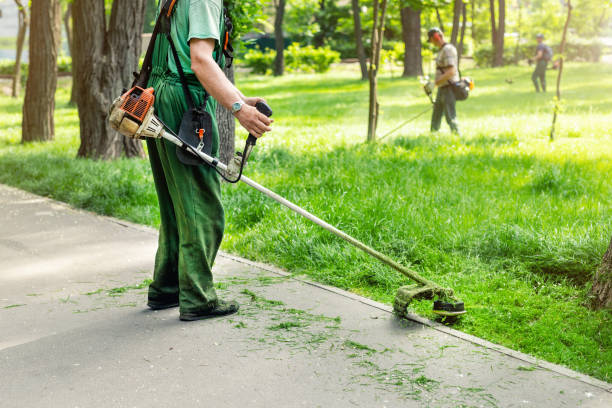
Worker mowing tall grass with electric or petrol lawn trimmer in city park or backyard. Gardening care tools and equipment. Process of lawn trimming with hand mower Worker mowing tall grass with electric or petrol lawn trimmer in city park or backyard. Gardening care tools and equipment. Process of lawn trimming with hand mower. landscaping service stock pictures, royalty-free photos & images

Expertise and Knowledge

Professional landscapers bring extensive knowledge of:
Plant selection: Understanding which plants thrive in your specific region and soil conditions.
Design principles: Creating cohesive layouts that balance hardscapes (e.g., patios, walkways) with softscapes (e.g., plants, grass).
Soil health: Improving soil quality to ensure long-term plant health.
Pest control: Identifying invasive species or pests and applying environmentally friendly solutions.

Their expertise means fewer mistakes, saving time and money while ensuring your vision comes to life effectively.

Time Savings

Landscaping projects can be time-consuming. From detailed planning to sourcing materials and executing the design, these tasks require significant effort. A professional landscaper handles all aspects of the process efficiently so you can focus on other priorities while enjoying peace of mind knowing your project is in capable hands.

Cost Efficiency

While hiring a professional landscaper may appear costly upfront, it often leads to savings in the long run due to:
– Proper plant selection to reduce replacements.
– Access to wholesale suppliers for materials like rocks, mulch, or sod at lower prices.
– Well-thought-out irrigation systems that conserve water and reduce utility bills over time.

Creative Design Solutions

A professional landscaper offers innovative solutions tailored to your unique space. They take into account factors such as sunlight exposure, drainage patterns, slope gradients, weather conditions, and personal preferences to craft designs that are both stunning and functional.

Examples of enhancements they might suggest include:

– Incorporating native plants for sustainability.

– Installing low-maintenance water features.

– Creating themed gardens like Zen or tropical landscapes.

Increased Property Value

Improvement Type Impact on Property Value (%) Example Benefits
Professional Landscaping 10–15% Better first impressions during resale
Mature Trees & Shrubs 5–10% Increased energy efficiency & shade

Investing in professional landscaping not only enhances daily enjoyment but also serves as an asset when it’s time to sell your home.

Long-Term Maintenance Support

Most reputable landscaping companies offer ongoing maintenance services after completing their projects:

– Seasonal clean-ups.

– Lawn mowing and fertilization schedules.

– Pruning of shrubs/trees.

This ensures that your outdoor space remains pristine year-round with minimal effort on your part.

By hiring a professional landscaper for your outdoor transformation project, you gain access to expert guidance, creative ideas tailored specifically toward maximizing functionality/aesthetic appeal — all while saving considerable amounts resources/errors likely inherent w/ DIY attempts

Important Questions to Ask Before Hiring Boston MA Landscapers

Hiring the right professional landscaper can make a significant difference in the quality, functionality, and aesthetics of your outdoor space. However, before committing to a landscaping service, it’s essential to ask the right questions to ensure that you are making an informed decision. Here are some important factors to consider when evaluating potential landscapers.

How to Evaluate the Qualifications and Experience of a Landscaping Company Boston

Understanding a landscaper’s background is crucial.

Ask about:
– Certifications: Are they certified by reputable industry organizations such as the National Association of Landscape Professionals (NALP)?
– Years in Business: How long have they been providing landscaping services? Longevity often indicates reliability and expertise.
– Relevant Projects: Have they completed projects similar to what you’re looking for (e.g., garden design, hardscaping, irrigation systems)?

Can They Provide References and a Portfolio for Hardscaping Boston?

A trustworthy landscaper should be able to share references from past clients as well as examples of their previous work.

Key steps include:
1. Requesting contact information for at least three clients they’ve worked with recently.
2. Reviewing their portfolio to evaluate their design style and attention to detail. 3. Checking online reviews or ratings on platforms like Google or Yelp for additional insights.

Exploring Landscaping Services Boston MA: What They Offer

Landscaping companies often provide a wide range of services, but not all may meet your specific needs. Be sure to ask if they specialize in areas like:
– Design and installation
– Lawn maintenance or irrigation systems
– Hardscaping (e.g., patios, walkways)
– Sustainable practices (e.g., native plants or rainwater harvesting)

Service Type Offered by Landscaper? Additional Notes
Garden Design Yes/No Specialty plants or themes available
Lawn Care Maintenance Yes/No Frequency of visits
Irrigation Systems Yes/No Smart irrigation options available
Hardscaping Yes/No Includes materials sourcing

Are They Insured and Licensed?

For liability reasons, it’s essential that any professional working on your property carries proper insurance and licensing.

Confirm details such as:
– General liability insurance coverage in case of property damage.

– Worker’s compensation for their employees in case of injury on-site.

– State licensing requirements compliance.

What Is the Project Timeline?

To avoid unnecessary delays, ask about realistic timelines for project completion:

1. How long will the design phase take?

2. When can construction or installation begin?

3. Do weather conditions or other factors pose potential delays?

You may also want clarification on whether multiple jobs are handled simultaneously, as this could impact deadlines.

What Will the Total Cost Be?

Before signing any contracts:
1. Request an itemized quote breaking down labor costs, material expenses, and any additional fees.

2. Inquire about payment schedules—does it require deposits upfront or milestone payments during progress?

3. Verify whether ongoing maintenance is included or priced separately.

Do They Follow Sustainable Practices?

If eco-friendliness is important to you, explore whether they incorporate environmentally friendly practices such as:
– Use of native plants requiring minimal water usage.

– Organic fertilizers instead of synthetic chemicals.

– Rainwater harvesting systems for efficient irrigation management.

By asking these essential questions upfront, you’ll be better equipped to select a professional landscaper who aligns with your vision and ensures your outdoor space thrives both aesthetically and functionally over time.

Essential Questions to Ask Before Hiring a Professional Landscaper

Hiring a professional landscaper is an important decision that can have a long-lasting impact on the beauty, functionality, and value of your property. To ensure you make the right choice, it’s critical to ask the right questions before signing a contract. Below are key considerations and essential questions to guide your decision-making process.

1. What Services Do You Offer?

Not all landscaping companies provide the same range of services. Some specialize in design, while others focus on maintenance or installation projects. Clarifying this upfront will help you determine if they align with your project needs. Common services include:
– Landscape design and planning
– Lawn care and maintenance (mowing, fertilizing, aeration)
– Hardscaping (patios, walkways, retaining walls)
– Irrigation systems and water features
– Seasonal cleanup or snow removal

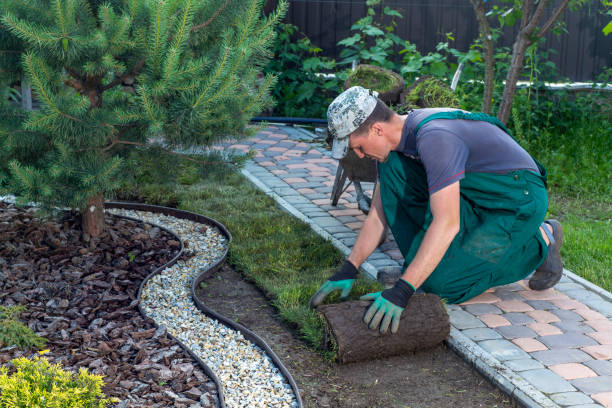
Landscape Gardener Laying Turf For New Lawn Landscape Gardener Laying Turf For New Lawn landscaping service stock pictures, royalty-free photos & images

2. Are You Licensed and Insured?

Professional landscapers should have proper licensing and insurance to protect you in case of accidents or damages during the project.

Request proof of:
– Business licenses required in your area
– General liability insurance covering property damage
– Worker’s compensation insurance for their employees

3. Can You Provide References or Show Portfolio Examples?

Ask for examples of previous work that reflect projects similar to yours. Most professionals maintain an online portfolio or can share photos of past jobs upon request.

Additionally:
– Request references from previous clients to understand their experiences with the company
– Check online reviews on platforms like Yelp or Google for honest feedback

4. What Is Your Process for Designing My Landscape?

Understanding their approach ensures transparency and alignment with your goals. Consider asking:
– How do you incorporate my preferences into the plan?
– Will I receive a detailed design sketch before installation begins?
– Do you offer consultations to discuss ideas before starting work?

5. What Materials and Plants Will Be Used?

A professional should recommend high-quality materials and plants that thrive in your local climate while considering sustainability practices where possible.

Key follow-up questions include:
– Do you use native plants for better long-term results?
– Are eco-friendly options available for hardscaping materials?

Material Type Example Options Benefits
Native Plants Coneflowers, Lavender Low maintenance; supports wildlife
Paving Materials Permeable pavers Reduces runoff; eco-friendly

6. How Long Will My Project Take?

Understanding timelines helps set realistic expectations about project completion dates, especially during peak seasons when landscapers are busiest.

Questions to consider:
– When can my project start given current commitments?
– Are there potential delays I should be aware of?

7. What Is Your Pricing Structure?

Budget discussions are vital when choosing a landscaper to avoid unexpected costs later on. Key points include:
– Do you offer itemized quotes outlining labor, materials, etc.?
– Are there payment plans or financing options available?

By asking these essential questions upfront, you’ll be better prepared to select the right professional landscaper who meets both your budgetary needs and vision for your outdoor space effectively.

How to Transform Your Garden with Native Plant Solutions and Ideas

Transforming your garden into a thriving, sustainable, and visually appealing outdoor space can be achieved by incorporating native plants. Native plant solutions not only enhance the ecological balance of your garden but also make it easier to maintain. Here’s how you can effectively use native plants to elevate your garden’s beauty and functionality.

Benefits of Using Native Plants in Your Garden

  1. Native plants are well-adapted to the local soil, climate, and weather conditions.
  2. They require less watering, fertilizing, and overall care compared to non-native species.
  3. These plants provide essential food sources like nectar, seeds, and fruits for birds, butterflies, and bees.
  4. They create natural habitats for diverse local species.
  5. Native plant roots improve soil structure and prevent erosion.
  6. They promote the growth of beneficial microorganisms in the soil.
  7. Native varieties are naturally resistant to local pests and diseases, reducing the need for chemical pesticides.
  8. Many native plants are drought-tolerant and help conserve water resources through reduced irrigation demands.

Steps to Transform Your Garden with Native Plants

  1. Research Local Native Plant Species: Begin by identifying plants that are indigenous to your region. Resources such as local gardening centers or native plant societies can help you pinpoint suitable options.
  2. Assess Sunlight and Soil Conditions:
    Match native plants with the conditions in your garden:
  3. Full-sun areas might support wildflowers or ornamental grasses like switchgrass.
  4. Shaded areas could benefit from ferns or low-maintenance ground covers like woodland phlox.
  5. Incorporate Layers for Visual Appeal: Use a mix of trees, shrubs, perennials, grasses, and ground covers to create depth:
Plant Type Example Species Ideal Placement
Trees Oak or Dogwood Corner areas or back
Shrubs Serviceberry or Viburnum Mid-level sections
Perennials Coneflower or Aster Front-facing borders
Grasses Little Bluestem Accent planting beds

  1. Design Functional Spaces: Group plants based on water needs (hydro zones) for efficient irrigation planning:

    • Drought-tolerant species (e.g., yarrow) together.
    • Moisture-loving species (e.g., goldenrod) in rain gardens or lower-lying spots.
  2. Plan Seasonal Interest: Ensure year-round interest by choosing a mix that blooms at different times of the year.

Creative Ideas for Native Plant Landscaping

  • Pollinator Gardens: Designate portions of your yard as pollinator-friendly zones by planting milkweed (for monarch butterflies) or bee balm (for bees). These gardens are not only functional but also add vibrant colors during blooming seasons.
  • Rain Gardens: Build rain gardens using deep-rooted native plants like black-eyed susans or joe-pye weed to manage runoff while beautifying low-lying areas.
  • Wildflower Meadows: Replace traditional turf grass lawns with wildflower meadows featuring native blooms like Indian paintbrush or coreopsis that attract pollinators while reducing mowing efforts.
  • Edible Landscaping: Add multi-functional native edibles such as elderberries or pawpaw trees that provide food for humans as well as wildlife.

By integrating these solutions into your landscaping plan, you’ll achieve an outdoor space that is not only visually pleasing but also environmentally responsible—balancing beauty with sustainability effectively.

Discover the Advantages of Organic Gardening Practices for Beautiful Landscapes

Organic gardening is more than just a trend; it’s a sustainable approach to creating vibrant, healthy landscapes that prioritize environmental wellness and long-term ecosystem balance. By integrating organic practices into your landscaping efforts, you can enjoy lush greenery, thriving plants, and reduced environmental impact. Here’s why organic gardening is an excellent choice for enhancing your outdoor space.

Benefits of Organic Gardening in Landscaping

  1. Avoids synthetic chemicals that can harm soil, water, and local wildlife.
  2. Encourages biodiversity by supporting pollinators like bees and butterflies.
  3. Promotes healthier soil structure through natural amendments such as compost or manure.
  4. Organic fertilizers enrich the soil with essential nutrients over time, improving its quality naturally.
  5. Reduced chemical usage ensures healthier fruits, vegetables, and ornamental plants.
  6. Encourages beneficial microorganisms in the soil to thrive.
  7. Reduces the need for expensive chemical fertilizers and pesticides.
  8. Decreases dependency on external inputs by promoting self-sustaining ecosystems.
  9. Saves water by improving soil’s ability to retain moisture through natural mulching techniques.
  10. Eliminates exposure to harmful chemicals found in synthetic fertilizers or pesticides.
  11. Provides peace of mind when children or pets play in your garden.

How to Incorporate Organic Practices into Your Landscaping

  • Use Organic Fertilizers: Opt for slow-release options like compost, bone meal, or seaweed extract that feed plants naturally.
  • Composting: Turn kitchen waste (vegetable scraps) and yard clippings into nutrient-rich compost for your garden beds.
  • Plant Companion Crops: Pair plants together that naturally repel pests or improve growth (e.g., marigolds with vegetables).
  • Embrace Mulching: Use organic mulch materials like wood chips or straw to suppress weeds while retaining soil moisture effectively.
  • Choose Native Plants: Native species tend to thrive without excessive care or resource use, making them perfect for eco-friendly landscaping projects.

Comparison Table: Organic vs Non-Organic Gardening Practices

Feature Organic Gardening Non-Organic Gardening
Fertilizer Use Natural (compost/manure) Synthetic chemicals
Environmental Impact Low High
Soil Health Improves over time May degrade due to chemical use
Pest Control Biologically-driven solutions Reliance on chemical pesticides
Cost Over Time Cost-effective Expensive due to recurring input

Long-Term Rewards of Organic Landscaping

Adopting organic gardening practices requires patience but yields significant rewards over time. Not only do you create a thriving ecosystem within your outdoor space but also contribute positively toward global sustainability efforts. With cleaner air quality, enhanced soil fertility, and aesthetically pleasing gardens teeming with life, organic landscaping offers unmatched benefits both environmentally and personally.

By following these principles consistently, you can enjoy stunning landscapes while minimizing harm to the planet—an investment worth making for generations to come.

Discover the Advantages of Organic Gardening Practices for Beautiful Landscapes

Adopting organic gardening practices can transform your outdoor space into a stunning, eco-friendly haven. These methods prioritize environmental health, reduce reliance on synthetic chemicals, and promote sustainable growth. Whether you’re an experienced gardener or just beginning, organic practices offer numerous benefits for creating beautiful and thriving landscapes.

Why Choose Organic Gardening?

  • Healthier Plants: By using natural fertilizers like compost or manure, plants receive essential nutrients without harmful chemicals.
  • Eco-Friendly Practices: Reduces water pollution caused by chemical runoff.
  • Better for Biodiversity: Encourages the presence of beneficial insects, birds, and other wildlife.
  • Safer Environment: Creates a safe space for children and pets to enjoy the outdoors.

Key Principles of Organic Gardening

  1. Soil Health
    Healthy soil is the foundation of any successful garden. Focus on enriching the soil with: Compost
  2. Leaf mulch Natural additives like bone meal or rock phosphate
  3. Companion Planting
    Companion planting is a natural method to deter pests and promote healthy plant growth by grouping compatible plants together:
  4. Marigolds repel nematodes when planted near vegetables.
  5. Basil enhances the flavor of tomatoes while repelling mosquitoes.
  6. Natural Pest Management
    Instead of toxic pesticides, try these eco-friendly options:
  7. Introduce beneficial insects like ladybugs and praying mantises.
  8. Use neem oil sprays or garlic-based solutions to deter harmful pests.
  9. Water Conservation Strategies
    Watering efficiently reduces waste while keeping plants healthy:
  10. Install drip irrigation systems.
  11. Mulch around plants to retain moisture in the soil.

Benefits for Your Landscape’s Aesthetic Appeal

  1. Vibrant Foliage and Blooms
    Organically grown plants often display more vibrant colors due to their healthier root systems and nutrient-rich growing conditions.
  2. Natural Diversity in Design
    Incorporating native plants ensures that your garden thrives naturally while showcasing diverse textures and hues.
  3. Year-Round Interest
    Organic practices encourage year-long beauty by supporting perennials, shrubs, trees, and flowers that thrive in natural cycles.
Organic Additives Benefits
Compost Improves soil structure & fertility
Seaweed Fertilizer Boosts plant immunity
Bone Meal Promotes root development

Long-Term Sustainability

The use of organic gardening practices fosters long-term sustainability for your landscape by building resilience against climate changes and extreme weather conditions. Healthy soils rich in organic matter retain moisture during droughts while promoting carbon sequestration—a crucial process in reducing greenhouse gases.

By embracing these methods today, you take an active step toward creating not only a beautiful garden but also a sustainable future for generations to come.